

Guide to Persian Kilims: Lightweight, Colorful, and Rich in History Rugs
©2025 Shahmansouri, All rights reserved
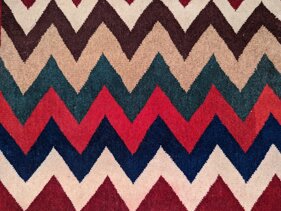
Introduction to Persian Kilims
Persian kilims are fascinating ethnic rugs, characterized by:
Flat weave without knots
Lightness and flexibility
Vivid colors and designs rich in symbolism
In this article we will discover the main features, the difference between tribal and urban kilims, their historical role, and their use in contemporary design.
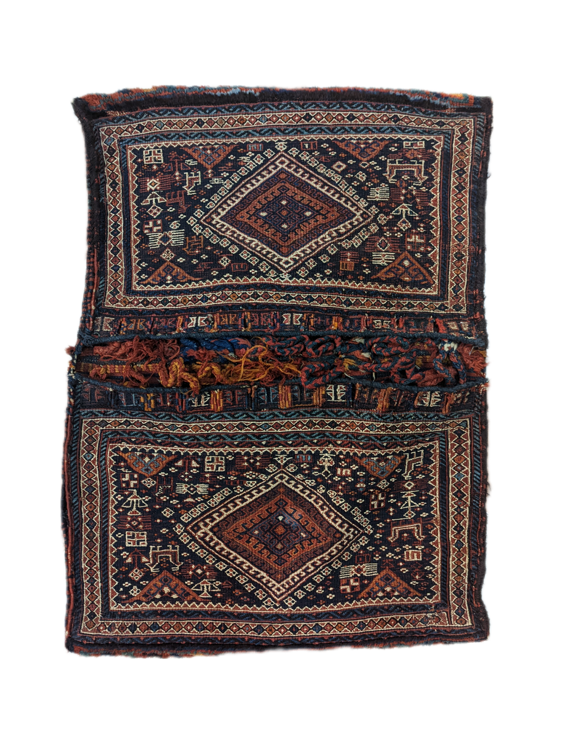
What are Persian kilims?
A kilim is a carpet made with a flat weaving technique, which makes it:
Pileless and reversible
Thin and durable
Ideal for being rolled up and easily transported
Main materials:
Wool (durable and elastic)
Cotton (stability, typical in urban production)
Natural colors traditionally used:
Red: madder root
Blue: indigo
Yellow: saffron or pomegranate peel
Brown: walnut shells
A peculiarity of the kilim is the presence of "slits" (small gaps), which highlight its authentic handcrafted character.
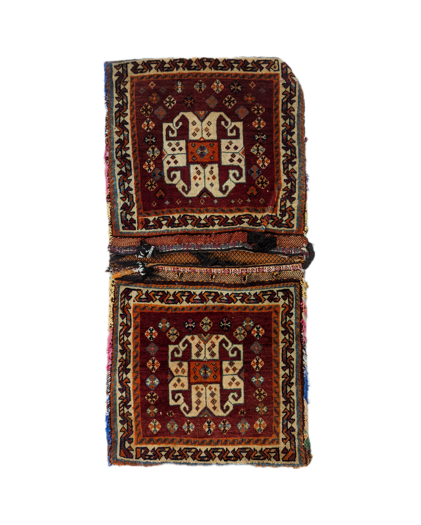
Decorative motifs and symbolism
The decorative motifs of Persian kilims are geometric, stylized, and deeply symbolic. Some common examples:
Elibelinde (hands on hips): fertility and motherhood
Ram's horns: strength and virility
Open eye: protection from the evil eye
Stylized scorpion: protection from dangers
Meaning of colors:
Red: vitality, happiness, and luck
Dark blue: spirituality and protection
Green: nature and divine blessing
Yellow/gold: light and wealth
Black/brown: protection from negative influences
Tribal kilims vs urban kilims: main differences
Kilims are mainly divided into two categories:
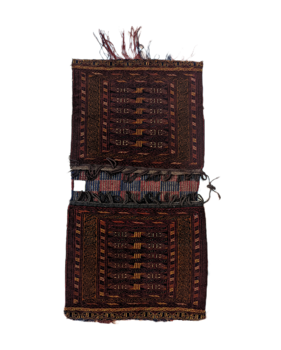
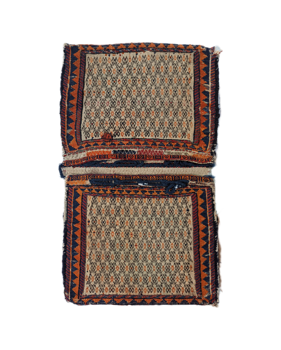
Tribal kilims
Made by nomadic women with portable looms
Medium-small sizes, practical for transport
Spontaneous motifs, inspired by tribal tradition
Bright colors and simple geometric compositions
Personal and family use (e.g. wedding gifts)
Urban kilims
Produced in cities on fixed vertical looms
Elaborate and predefined designs, often close to classical Persian art
Mainly cotton material for greater compactness
Elegant and harmonized colors
Emblematic example: Senneh kilim, known for refined motifs and precise details.
The kilim in Persian culture
In Persian tradition, the kilim is not just a carpet, but a cultural symbol:
Considered a "portable garden"
Used for daily activities (prayer, welcoming guests)
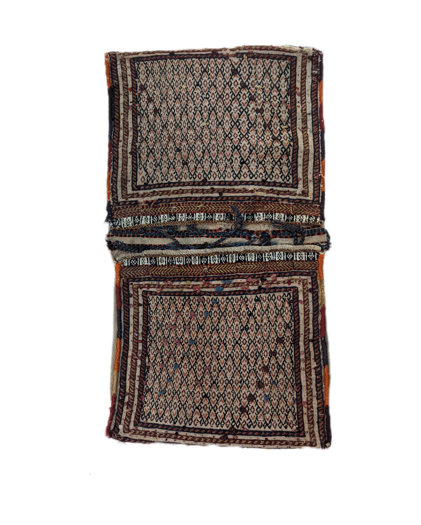
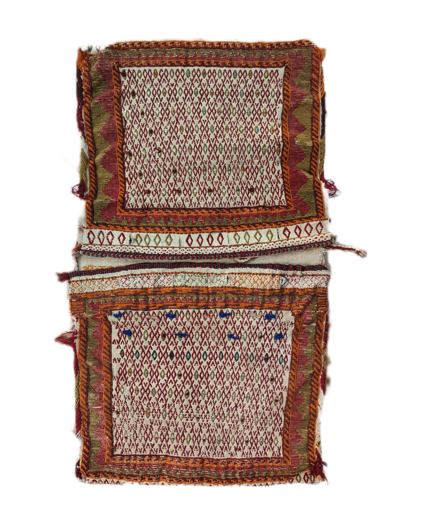
Versatile object (tapestries, beds, bags, covers for animals)
Essential element in ceremonies and festivities (weddings, prayers)
The kilim bears witness to family identity and prestige, handed down through generations.
Kilim today: between contemporary design and collecting
Kilim have gained a new role in modern design and collecting:
Appreciated in interior design for their versatility and aesthetic beauty
Used as rugs, wall tapestries, cushions, poufs, and headboards
Collected for their rarity, authenticity, and historical value
The practical advantages in modern furnishing:
Little dust accumulation
Easy to clean
Thin and adaptable to various functions
Interest in kilim has also increased thanks to UNESCO, which has recognized traditional Persian weaving as an intangible cultural heritage of humanity.
Conclusions
Persian kilims represent a perfect combination of aesthetic beauty, cultural tradition, and modern functionality. Each rug tells a story made of symbols, colors, and artisanal techniques, bringing an authentic piece of Persian culture into contemporary homes.
©2025 Shahmansouri, All rights reserved